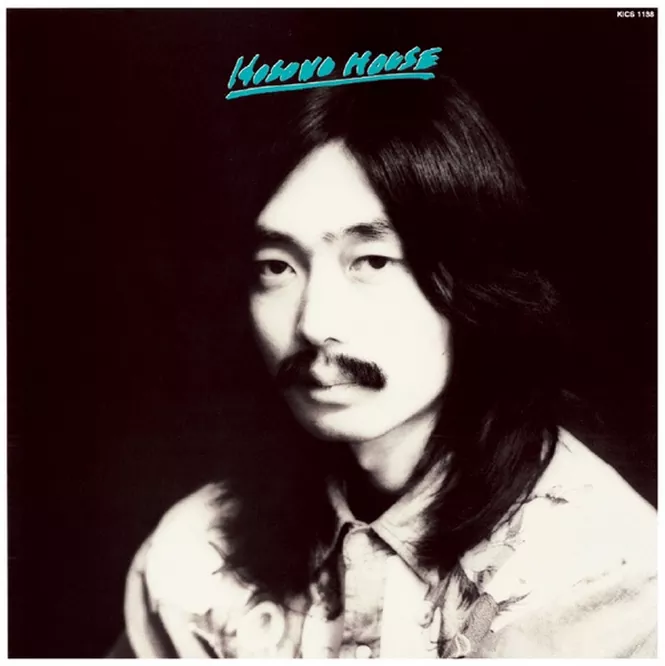
| 01.Rock-A-Bye My Baby 02.Boku Wa Chotto 03.Choo Choo Gatagoto 04.Owari No Kisetsu 05.Fuyu Goe 06.Party 07.Fuku Wa Uchi Oni Wa Soto 08.Jusho Futei Mushoku Tei Shunyu 09.Koi Wa Momoiro 10.Bara To Yaju 11.Ai Ai Gasa (インストルメンタル) Standout trios of the rock era tended to draw their greatness from each of the three members’ unique contributions to the group. These distinctions sometimes yielded conflict (see: The Police), while at other times they were complementary, with all the differences overlapping just enough to create something vibrant, fresh, and previously unheard. In the case of Yellow Magic Orchestra, you had the classically-trained innovator (Ryuichi Sakamoto), the suave, pop-minded traditionalist (Yukihiro Takahashi), and the wildly talented eccentric who sought to cram 40 years and a globe’s worth of popular music styles into each of their songs (Haruomi Hosono). This unlikely combination yielded music that was just as playful as it was forward-looking, and, just as much as the group’s willingness to experiment with new electronics cemented their reputation as groundbreaking trailblazers, it cannot be understated how much Hosono’s refusal to be pinned to just one genre ensured that YMO sounded utterly unlike anything else. That musical omnivorousness was captured beautifully throughout the ’70s on the solo albums that came after his folk-rock band, Happy End, and before Yellow Magic Orchestra. The first of those, 1973’s Hosono House, is a landmark work. Recorded over a few weeks in a spare bedroom in Hosono’s house, it’s quirky, intimate, daring, and possibly the only album released that year that featured thumb piano, steel guitar, accordion, and a horn section. Some fifty years later, a tribute album honoring Hosono House is more than overdue, and it’s an appropriately eclectic affair. From the opening notes of “Koi Wa Momoiro” by Pearl & the Oysters, it’s clear that the participating artists have taken Hosono’s unpredictable ethos to heart. Sure, it may sound like a warped vintage city pop tune, but the original was made years before the style was even a thing and, well, Pearl & the Oysters are from Paris and Florida. Thus does the album unfold, whether it’s John Carroll Kirby and the Mizuhara Sisters crafting burbling analog synths and lush harmonies on “Fuku Wa Uchi Oni Wa Soto” or the late-night barroom piano ballad of “Rock-A-Bye My Baby” being sung by actual warped vintage city pop singer Akiko Yano. There are some suitably strange moments too, like Se So Neon refracting “Party” into dizzying abstraction or Kukuku making “CHOO CHOO Gatagoto” an artsy bit of disassembled musique concrete. These are balanced somewhat by the inclusion of relatively straightforward takes by the likes of Mac DeMarco, who does a great version of “Boku Wa Chotto,” and Cornelius, whose glistening electronics transform “Bara To Yaju” into a moment of meditative bliss. |