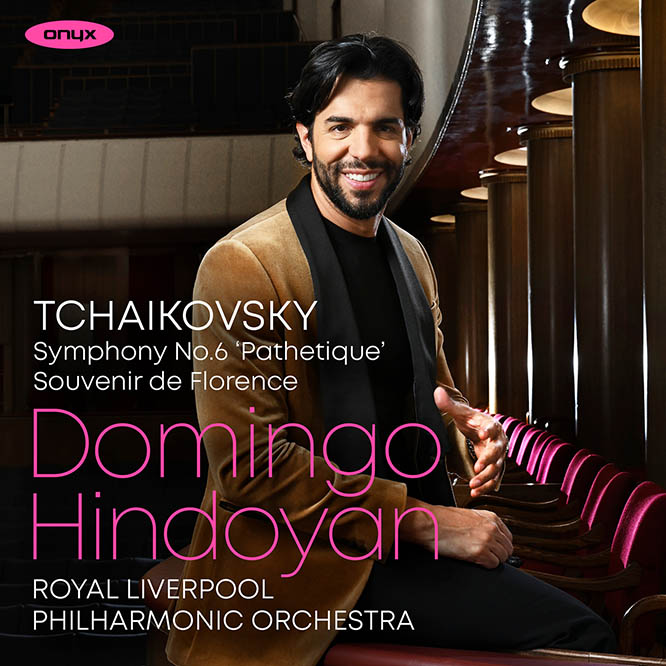
| “Italy, Florence—nothing gives me the slightest pleasure so far,” Tchaikovsky confessed to his brother. “I cannot live outside Russia.” Deep in the grip of depression, he nonetheless completed his tenth opera, The Queen of Spades, and began work on a string sextet that would become Souvenir de Florence, which he finished upon returning to Russia in June 1890. Despite his gloomy letters, traces of affection for Florence surface in the music. In the Adagio, wistful Russian folk melodies entwine with a theme inspired by the Italian city. Perhaps he cared for it more than he let on.
By 1892, creative struggles persisted. A symphony in E-flat was abandoned—its fragments later reworked into the Third Piano Concerto and the Andante and Finale. Soon after, he began a new symphony in B minor. If Souvenir de Florence carries melancholy close to the surface, it’s nothing compared to the emotional depths of the Sixth Symphony. “I am very proud of the symphony,” he wrote. “I think it’s the best of my compositions.” Domingo Hindoyan and the Royal Liverpool Philharmonic Orchestra bring out these nuances with striking clarity—the volatility, the vulnerability, and the fleeting moments of light. In their hands, Tchaikovsky’s internal struggle becomes almost tactile, the music swelling with all the weight of a farewell. Nine days after conducting its premiere, Tchaikovsky was dead—one of the many victims of the cholera pandemic sweeping the Russian Empire. 1. Souvenir de Florence, Op. 70: I. Allegro con spirito (11:37) |
声明:本站所有hires无损音乐均转载于互联网,并不代表本站立场!如若本站内容侵犯了原著者的合法权益,可联系我们进行处理! 拒绝任何人以任何形式在本站发表与中华人民共和国法律相抵触的言论!